Waterproof Wall Panels For Basement: A Comprehensive Guide
Basements are an essential part of modern homes, providing additional living space, storage and a refuge from extreme weather conditions. However, basements can be prone to moisture problems, which can lead to mold and mildew growth, unpleasant odors, and damage to the walls and floors. One solution to this problem is waterproof wall panels for basement.
In this article, we will explore everything you need to know about waterproof wall panels for basement. From the benefits to the different materials used, we will cover it all. So, let's dive in!
Why You Need Waterproof Wall Panels for Your Basement?
The basement is one of the most humid places in your home and can be prone to water damage due to its location below ground level. If left unchecked, moisture can cause significant structural damage to your basement walls and can lead to health issues. Waterproof wall panels can provide an effective barrier against moisture and prevent any potential damage.
Benefits of Waterproof Wall Panels for Basements
Waterproof wall panels offer numerous benefits, such as:
- Easy to Clean: Waterproof wall panels are easy to clean. Unlike traditional drywall, they do not absorb moisture or stains, making them an ideal choice for basements.
- Durable: Waterproof wall panels are durable and long-lasting. They are resistant to wear and tear, scratches, and impact damage.
- Mold and Mildew Resistant: Waterproof wall panels prevent mold and mildew growth by inhibiting the growth of bacteria and fungi.
- Aesthetically Pleasing: Waterproof wall panels come in a variety of styles and colors, giving homeowners the flexibility to choose the design that suits their taste and needs.
Materials Used in Waterproof Wall Panels for Basements
Different materials are used in waterproof wall panels for basements. The most common ones are:
PVC (Polyvinyl Chloride) Panels
PVC panels are the most popular type of waterproof wall panel used in basements. They are lightweight, easy to install, and come in a wide range of colors and designs. PVC panels are also highly durable, and they do not absorb moisture or stains.
Fiberglass Reinforced Panels (FRP)
FRP panels are made of plastic resin with fiberglass reinforcement. They are strong, durable, and resistant to scratches and impact damage. FRP panels are ideal for high-moisture areas like basements because they are mold and mildew resistant.
Acrylic Panels
Acrylic panels are a high-end option for waterproof wall panels. They are durable, scratch-resistant, and easy to clean. Acrylic panels are available in a variety of colors and designs, making them perfect for homeowners who want an aesthetically pleasing basement.
How to Install Waterproof Wall Panels for Basements
Installing waterproof wall panels for basements is quite simple and can be by following these steps:
- Measure the walls of your basement and cut the panels to size.
- Clean the walls thoroughly to remove any dirt, grease, or debris.
- Apply adhesive to the back of the panels and press them firmly onto the wall.
- Use screws or nails to secure the panels in place.
- Seal the seams between the panels with silicone caulk to prevent water from seeping in.
Maintenance of Waterproof Wall Panels for Basements
Maintaining waterproof wall panels for basements is easy and requires minimal effort. Here are some tips to keep your wall panels in good condition:
- Regularly wipe down the panels with a damp cloth to remove any dust or dirt.
- Avoid using abrasive cleaners or scrubbers that may scratch the surface of the panels.
- Inspect the panels regularly for signs of damage or wear and tear.
Cost of Waterproof Wall Panels for Basements
The cost of waterproof wall panels for basements depends on several factors, such as the type of panel, the size of your basement, and the complexity of the installation. PVC panels are the most affordable option, with prices ranging from $2 to $4 per square foot. FRP panels cost between $3 to $6 per square foot, while acrylic panels are the most expensive, with prices ranging from $5 to $12 per square foot.
Pros and Cons of Waterproof Wall Panels for Basements
Like any home improvement project, waterproof wall panels for basements have their pros and cons. Here are some of them:
Pros
- Prevents moisture damage
- Easy to install
- Durable and long-lasting
- Mold and mildew resistant
- Aesthetically pleasing
Cons
- Can be expensive depending on the type of panel
- Installation may require professional help
- Not suitable for all types of basements
- May not offer complete protection against water damage in severe weather conditions
Waterproof Wall Panels vs. Traditional Drywall
Traditional drywall is a popular choice for finishing basement walls. However, it is not ideal for areas prone to moisture due to its porous nature. Waterproof wall panels offer a better alternative to traditional drywall because they provide a barrier against moisture and prevent mold and mildew growth.
Waterproof wall panels for basements are an excellent investment for homeowners who want to protect their basement from moisture damage. They are durable, easy to install, and require minimal maintenance. With different materials and designs available, you can choose the one that best suits your needs and budget.
FAQ
1. What are waterproof wall panels for basements?
Waterproof wall panels are a type of paneling used to protect basement walls from moisture damage.
2. How do waterproof wall panels work?
Waterproof wall panels provide a barrier against moisture and prevent water from seeping into the walls.
3. Are waterproof wall panels easy to install?
Yes, waterproof wall panels are easy to install and can be by following simple steps.
4. How much do waterproof wall panels cost?
The cost of waterproof wall panels depends on several factors such as the type of panel, the size of your basement, and the complexity of the installation.
5. Can I install waterproof wall panels myself?
Yes, you can install waterproof wall panels yourself if you have basic DIY skills.
6. What are the benefits of waterproof wall panels?
Waterproof wall panels are easy to clean, durable, mold and mildew resistant, and aesthetically pleasing.
7. What are the different types of waterproof wall panels?
The most common types of waterproof wall panels for basements are PVC panels, fiberglass reinforced panels (FRP), and acrylic panels.
8. How do I maintain waterproof wall panels?
Maintaining waterproof wall panels is easy and requires minimal effort. Regularly wipe down the panels with a damp cloth and avoid using abrasive cleaners or scrubbers.
9. Are there any cons to using waterproof wall panels?
Waterproof wall panels can be expensive depending on the type of panel, installation may require professional help, and they may not offer complete protection against water damage in severe weather conditions.
10. Can waterproof wall panels be used in other areas of the home?
Yes, waterproof wall panels can be used in other areas of the home that are prone to moisture, such as bathrooms and laundry rooms.
12 Waterproof wall panels for basement Images

Stackable Insulation Panels Can Put Drywall Right Up On Them Without

Pin By Owens Corning Basement Finishi On Basement Before After
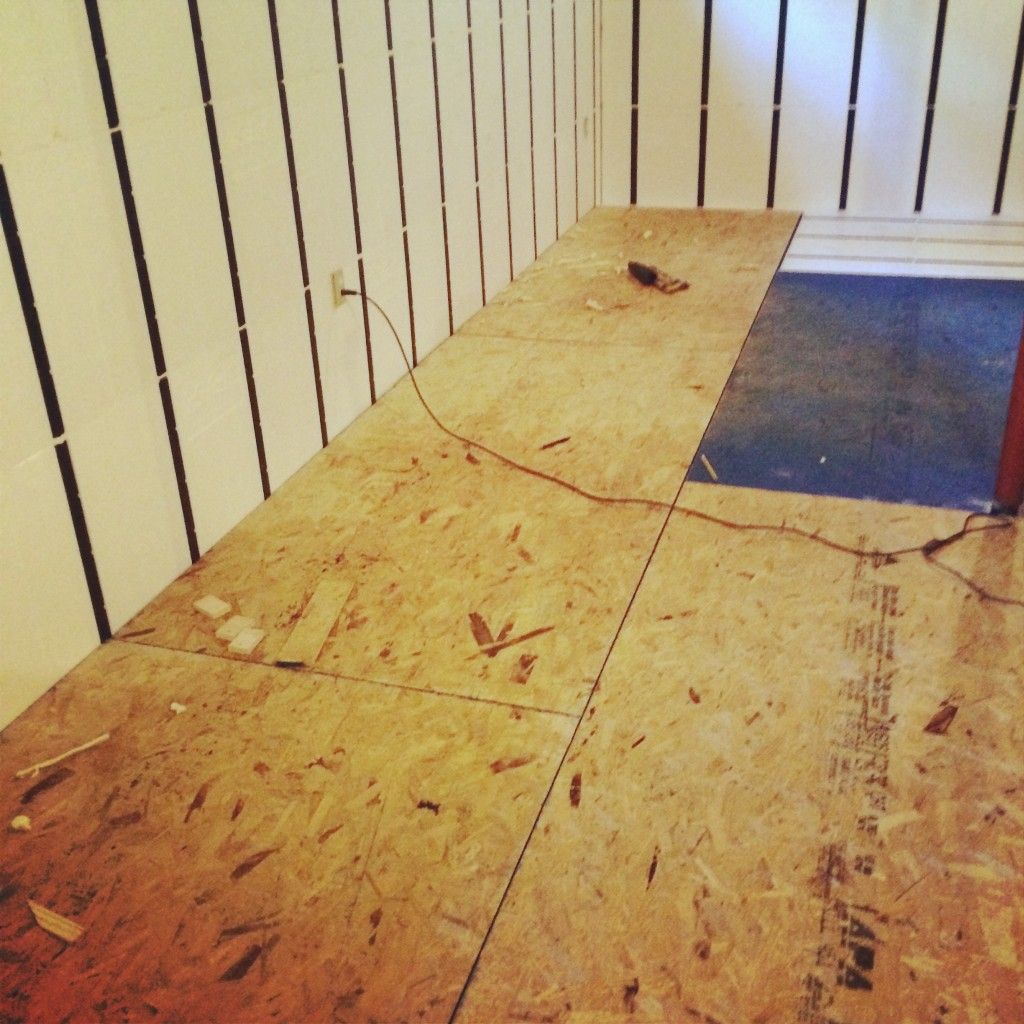
IMG1564 Insulating Basement Walls Interior Wall Insulation

Basement Wall Panels Remodel My Basement Industrial Finished

Insulating Basement Walls With Foam Board Insulating Basement Walls

Pin By Savannah Martinez On Awsome Wallpapers And Backgrounds
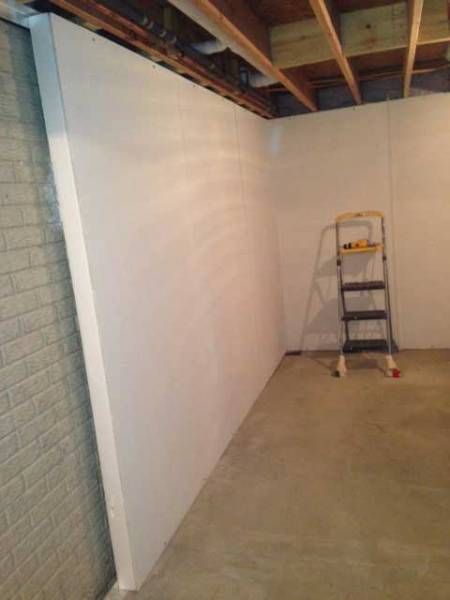
Pin On Basement Finishing

Basement Basement Refinishing With Insulated Wall Panels Used Basement

Basement Wall Panels Beautiful Basement Designs Basement Laundry

Winsome Media Center Built In Decor Ideas In Basement Traditional

Google Express 3D Wall Panels Plant Fiber Cave Design 10 Panels Per

Basement Exterior Basement Wall Panels With Removable Wall Panels For
Post a Comment for "Waterproof Wall Panels For Basement: A Comprehensive Guide"